Module 1: Fundamentals of Aviation Safety Management
This module introduces the key principles of aviation safety management, including regulatory frameworks, safety culture, and safety management systems.
This course provides in-depth training on advanced aviation safety procedures for professionals in the aviation industry. It is designed for aviation safety officers, flight crew members, and aviation safety inspectors. The unique blend of theoretical knowledge and practical applications sets this course apart, offering participants the opportunity to enhance their safety management skills and advance their careers in aviation.
4.5/5
|128 reviews
|642 students enrolled
Comprehensive, industry-recognized certification that enhances your professional credentials
Self-paced online learning with 24/7 access to course materials for maximum flexibility
Practical knowledge and skills that can be immediately applied in your workplace
This module introduces the key principles of aviation safety management, including regulatory frameworks, safety culture, and safety management systems.
Participants will learn to identify, assess, and mitigate safety risks in aviation operations through effective risk assessment techniques and hazard analysis.
This module provides you with practical frameworks and methodologies for conducting thorough risk assessments in various workplace settings. You'll learn evidence-based approaches to identify, evaluate, and prioritize potential hazards.
Effective risk assessment has been shown to reduce workplace injuries by up to 70% when implemented correctly, making this a critical skill for safety professionals.
This module focuses on developing emergency response plans and enhancing crisis management skills to effectively respond to aviation safety incidents.
Participants will explore the process of conducting safety audits, inspections, and investigations in aviation settings to ensure compliance and continuous improvement.
Understanding human factors is crucial in maintaining aviation safety. This module covers human performance, error management, and safety culture enhancement.
This module examines how human psychology and behavior impact workplace safety. You'll explore behavioral safety models, cognitive biases that affect risk perception, and strategies for promoting safety-conscious behaviors.
Research indicates that human factors contribute to 80-90% of workplace accidents, making this knowledge essential for comprehensive safety management.
Participants will explore the latest safety management tools, technologies, and best practices used in the aviation industry to enhance safety performance.
This programme includes comprehensive study materials designed to support your learning journey and offers maximum flexibility, allowing you to study at your own pace and at a time that suits you best.
You will have access to online podcasts with expert audio commentary.
In addition, you'll benefit from student support via automatic live chat.
Assessments for the programme are conducted online through multiple-choice questions that are carefully designed to evaluate your understanding of the course content.
These assessments are time-bound, encouraging learners to think critically and manage their time effectively while demonstrating their knowledge in a structured and efficient manner.
The field of aviation safety management offers promising career prospects for professionals with expertise in advanced safety procedures. With the increasing emphasis on safety standards in the aviation industry, there is a growing demand for skilled safety officers, inspectors, and safety managers.
Professionals in aviation safety management can advance their careers by specializing in areas such as safety auditing, safety training, and safety consultancy. Career progression often leads to senior management roles in aviation safety departments, offering opportunities for leadership and strategic decision-making.
Aviation safety officers are responsible for overseeing safety policies, conducting safety audits, and ensuring compliance with aviation regulations.
Safety compliance inspectors assess safety protocols, investigate incidents, and recommend corrective actions to maintain safety standards.
Safety training specialists develop and deliver safety training programs to enhance safety awareness and promote best practices in aviation safety.
In addition to career advancement, professionals in aviation safety management benefit from networking opportunities with industry experts, the potential to obtain specialized certifications in safety management, access to further education paths for continuous learning, and industry recognition for their contributions to enhancing aviation safety.
Aviation Safety Officer
"The course helped me develop advanced safety management strategies crucial for ensuring aviation operations meet industry standards."
Flight Crew Member
"Enhancing my emergency response preparedness through this course has been invaluable for my role in ensuring passenger safety onboard."
Aviation Safety Inspector
"I can now conduct comprehensive safety audits with confidence, thanks to the practical applications taught in this course."
Safety Manager
"Analyzing safety risks in aviation operations has become more precise after completing this course, enabling me to mitigate potential hazards effectively."
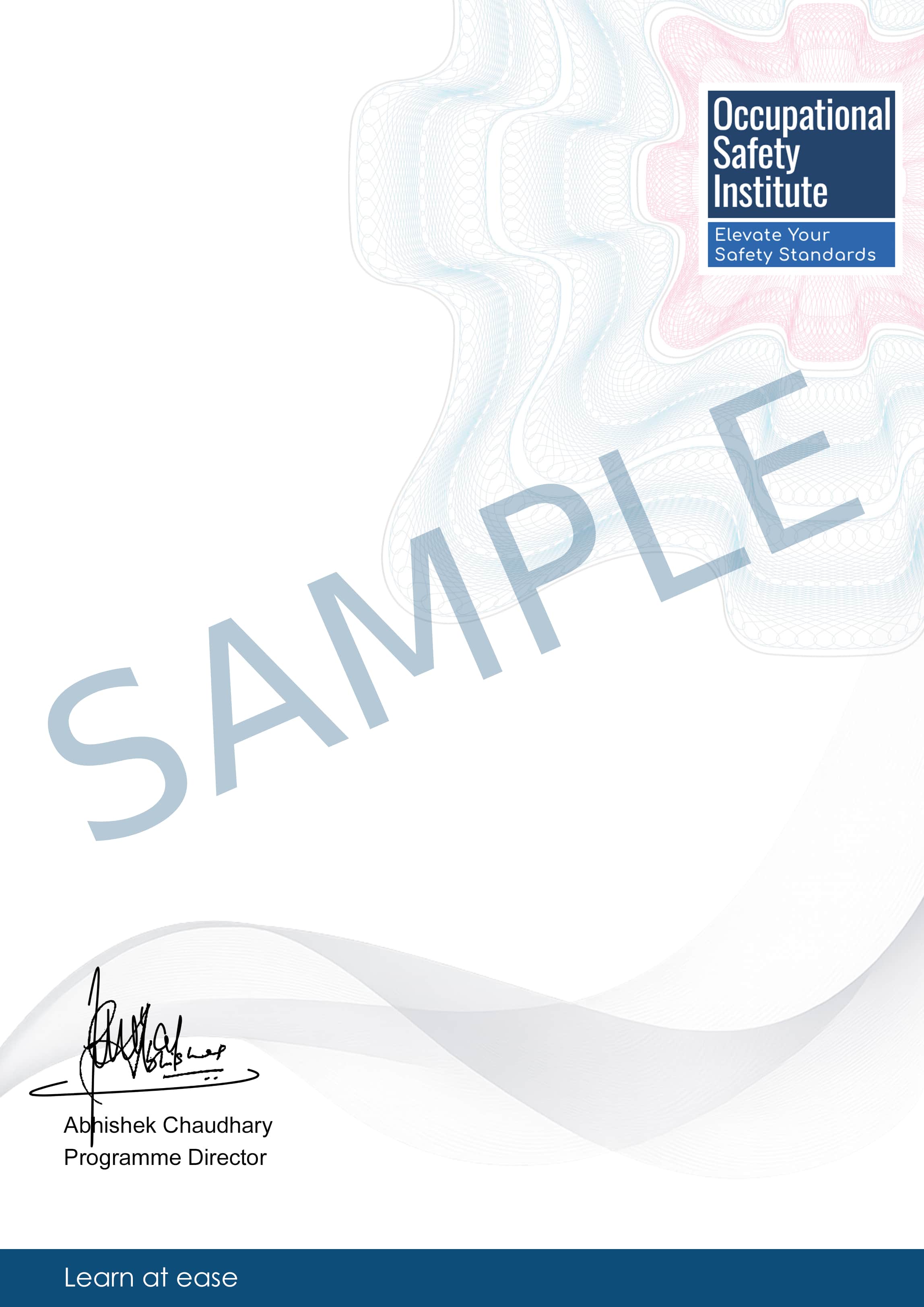
Upon successful completion of this course, you will receive a certificate similar to the one shown below:
Professional Certificate Advanced Aviation Safety Procedures Course
is awarded to
Student Name
Awarded: April 2026
Blockchain ID: 111111111111-eeeeee-2ddddddd-00000
No specific prior qualifications are required. However, basic literacy and numeracy skills are essential for successful completion of the course.
The course is self-paced and flexible. Most learners complete it within 1 to 2 months by dedicating 4 to 6 hours per week.
This course is not accredited by a recognised awarding body and is not regulated by an official institution. It is designed for personal and professional development and is not intended to replace or serve as an equivalent to a formal degree or diploma.
This fully online programme includes comprehensive study materials and a range of support options to enhance your learning experience: - Online quizzes (multiple choice questions) - Audio podcasts (expert commentary) - Live student support via chat The course offers maximum flexibility, allowing you to study at your own pace, on your own schedule.
Yes, the course is delivered entirely online with 24/7 access to learning materials. You can study at your convenience from any device with an internet connection.
AI Integration in Health and Safety Management Course
This course delves into the application of AI in health and…
Mentoring Program Design for Occupational Health and Safety
This course offers insights into creating Mentoring Program…
Utilizing Technology for Enhanced Health and Safety Coaching and Mentoring
This course focuses on utilizing technology for enhanced he…
Health and Safety Coaching Techniques for Workplace Mentoring
This course focuses on equipping professionals with effecti…
Disclaimer: This certificate is not intended to replace or serve as an equivalent to obtaining a formal degree or diploma. This programme is structured for professional enrichment and is offered independently of any formal accreditation framework.