
Essential Health and Safety in a Restaurant: Best Practices for a Safe Food Service Environment
Course content
Module 1Module 1: Introduction to Health and Safety in Restaurants
This module provides an overview of the importance of health and safety in the food service industry, including the legal framework, roles and responsibilities, and the benefits of a safe and healthy workplace. Participants will learn about the principles of health and safety management, including hazard identification, risk assessment, and control measures.
Module 2Module 2: Hazard Identification and Risk Assessment
This module covers the principles and practices of hazard identification and risk assessment in the restaurant environment. Participants will learn how to identify and assess hazards, including physical, chemical, biological, and psychosocial hazards, and develop strategies to control and mitigate risks.
Module 3Module 3: Safety Policies and Procedures
This module focuses on the development and implementation of safety policies and procedures in the restaurant environment. Participants will learn how to create and maintain a safety management system, including policies, procedures, and training programs.
Module 4Module 4: Food Safety and Hygiene
This module covers the principles and practices of food safety and hygiene in the restaurant environment. Participants will learn about the importance of food safety, the types of foodborne illnesses, and the methods for preventing and controlling foodborne illnesses.
Module 5Module 5: Emergency Preparedness and Response
This module focuses on emergency preparedness and response in the restaurant environment. Participants will learn how to develop and implement emergency plans, including procedures for fires, evacuations, and first aid.
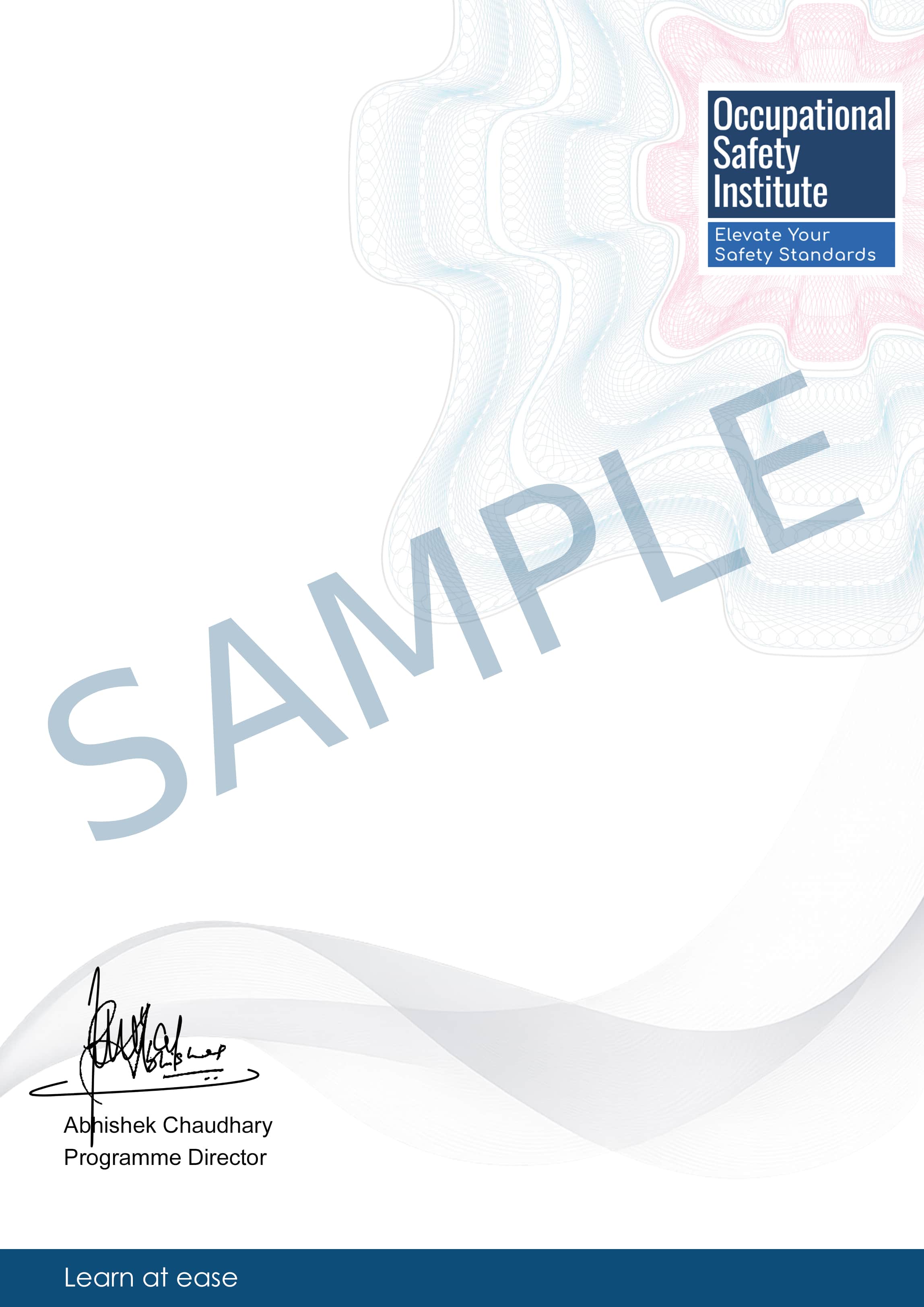
Your certificate
When you complete the assessments, you receive a digital certificate from healthsafetycourses.org, a brand of UK School of Management.
- Unique ID and QR code for online verification
- Confirms successful course completion
This is an independent certificate of completion. It is not a regulated qualification and is not equivalent to a degree or diploma.
Frequently asked questions
What qualifications do I need to enrol in the Essential Health and Safety in a Restaurant: Best Practices for a Safe Food Service Environment?
No specific prior qualifications are required. However, basic literacy and numeracy skills are essential for successful completion of the course.
How long does it take to complete the course?
The course is self-paced and flexible. Most learners complete it within 1 to 2 months by dedicating 4 to 6 hours per week.
Is this course accredited?
This course is not accredited by a recognised awarding body and is not regulated by an official institution. It is designed for personal and professional development and is not intended to replace or serve as an equivalent to a formal degree or diploma.
What support is available during the course?
This fully online programme includes comprehensive study materials and a range of support options to enhance your learning experience: - Online quizzes (multiple choice questions) - Audio podcasts (expert commentary) - Live student support via chat The course offers maximum flexibility, allowing you to study at your own pace, on your own schedule.
Can I study this course online?
Yes, the course is delivered entirely online with 24/7 access to learning materials. You can study at your convenience from any device with an internet connection.
Related courses
Ready to start Essential Health and Safety in a Restaurant: Best Practices for a Safe Food Service Environment?
Online · $199.99 · 7-day money-back guarantee
Enrol now